The tariff war sparked by the US provides a perfect opportunity for the UK to strike a deal with the EU to reduce friction in cross-Channel trade of fresh food, industry experts have claimed.
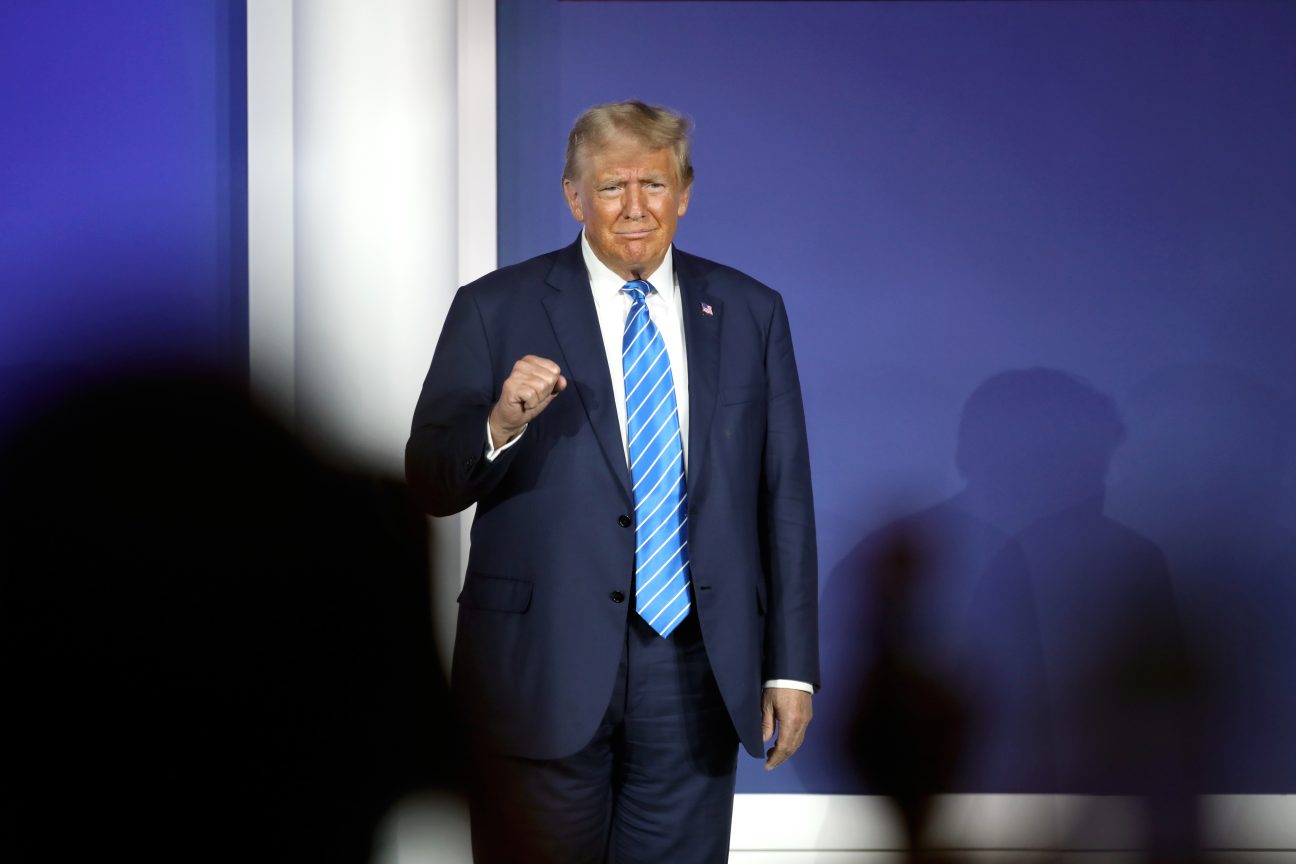
President Trump placed import duties of up to 125% on various countries and products in April before putting many of the fees on hold for 90 days.
Some countries retaliated with tariffs on US goods, and share prices tumbled around the world as uncertainty grew about international trade.
Meanwhile UK prime minister Keir Starmer is set to attend a summit with European leaders in London on 29th May hoping to “strengthen the unique relationship” with the EU.
Hugo Meyer Esquerré, director of Provisions Wine and Cheese, said uncertainty about the future of trade across the Atlantic made it more pressing than ever to improve the climate for buying and selling over the Channel.
He said stringent new rules and checks since Brexit had been “difficult” for the London-based importer, retailer and wholesaler.
A veterinary agreement – also known as a sanitary and phytosanitary (SPS) deal – would reduce the need for checks that added delays, cost and uncertainty to imports of agri-food from Europe, Esquerré said.
“It would tackle inflation and help us offer a greater range of products.”
With the EU staring down the barrel of a 20% tax to sell in the US, many producers on the continent will be eyeing increased business across the Channel, he added.
“What is happening around the world offers the best opportunity to strike a trade deal between the UK and EU that will help restore some of the trading links the two places always had.”
John Clarke, trade policy adviser at public affairs agency FIPRA, agreed that the tariff war increased the chances of a new deal with Europe.
He warned that the stakes were high, with a recent European Commission strategy document mooting an agri-food safety taskforce to oversee “a powerful strengthening of controls on the ground”.
“Without a very strong veterinary or SPS agreement, the EU will legitimately introduce more rigorous health and safety checks on food imports, mainly meat and dairy,” said Clarke.
He called for a deal that would see health-check processes each side of the Channel either harmonised or recognised.
Number 10 Downing Street said in April that the forthcoming summit will “provide an opportunity to make further progress on areas which will deliver tangible benefits for the people of the UK and the EU”.
This article first appeared in the May 2025 issue of Fine Food Digest.