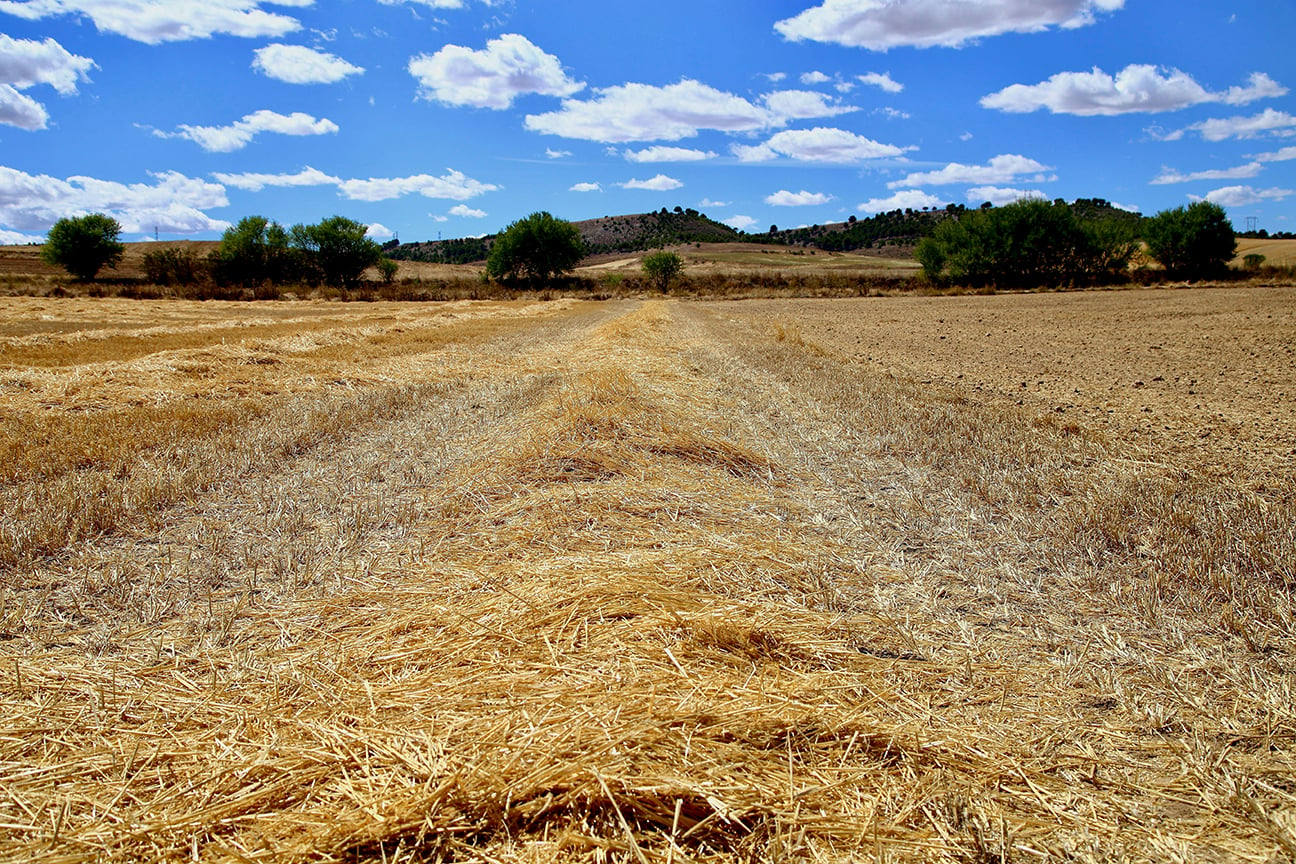
This summer’s successive heatwaves have forced producers of some of Europe’s most famous protected cheeses to seek derogations, or stop production altogether as pastures have dried up.
As FFD went to press in late August, French government agency L’Institut National de l’Origine et de la Qualité (INAO) had approved 10 requests and was considering another four for temporary amendments to PDOs and PGIs, as record temperatures decimated pastures.
During the hot summer of 2022, more than 20 temporary amendments were granted to protected cheeses, including Comté, Roquefort and Fourme d’Ambert, relaxing rules around buying in feed, the type of forage allowed and minimum numbers of grazing days. The PDO covering Comté was permanently changed in 2024 to increase the amount of pasture per cow from 1 hectare to 1.3 hectares, specifically to mitigate against climate risks.
In the Auvergne, production of the summer cheese Salers has halted this year because there is no longer enough grass for grazing (a requirement of the PDO). “In some areas, production has already been suspended for a month, significantly impacting farmers’ cash flow,” said a spokesman for the Salers PDO.
The pressure from drought is affecting other countries. In Italy, cheese consortia, including Piave, Murazzano and Quartirolo Lombardo, have applied for temporary amendments to allow more imported feed to be used. In Switzerland, producers of AOP-protected Gruyère d’Alpage have brought cattle down early from mountain pastures because of the lack of forage, according to cheese consultant Emma Young.
She recently visited producers in Switzerland, many of whom had already used up feed stocks that would normally last until the winter. “This could have a knock-on effect with shortages next year,” she said. “One producer told us that next spring could be catastrophic.”
She predicted that PDOs could be adapted for good to help producers manage extreme heat. “PDOs have always evolved and as we see temperatures rise, we might see them being changed accordingly.”
Six cheese PDOs in France, including Camembert de Normandie, are currently involved in the Government-backed ‘ADAoPT’ project looking at combatting extreme weather through measures like planting drought-resistant crops and better feed storage. In the Haute-Savoie region, a seed-planting project is being trialled to improve degraded mountain pastures used for the production of Abondance PDO cheese.
This article first appeared in the September issue of Fine Food Digest.