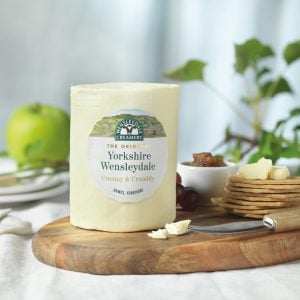
Cheesemongers and wholesalers have joined forces in a bid to turn around falling sales of traditional British ‘territorial’ cheeses as shoppers opt for stronger and gooier styles.
Around 40 industry representatives attended a meeting convened by Neal’s Yard Dairy in London last month to discuss ways to boost sales of crumbly cheeses, such as Wensleydale, Cheshire, Caerphilly and Lancashire. Sales have declined in recent years as people seek stronger British cheeses, such as Cheddar and Stilton, as well as Continental styles.
“We’ve seen volumes decrease and wanted to explore ways we could turn that around and broaden it out to talk to other cheesemongers and wholesalers,” said Neal’s Yard technical director Bronwen Percival. “Our whole identity is about British cheeses. Territorials are in our DNA as a nation.”
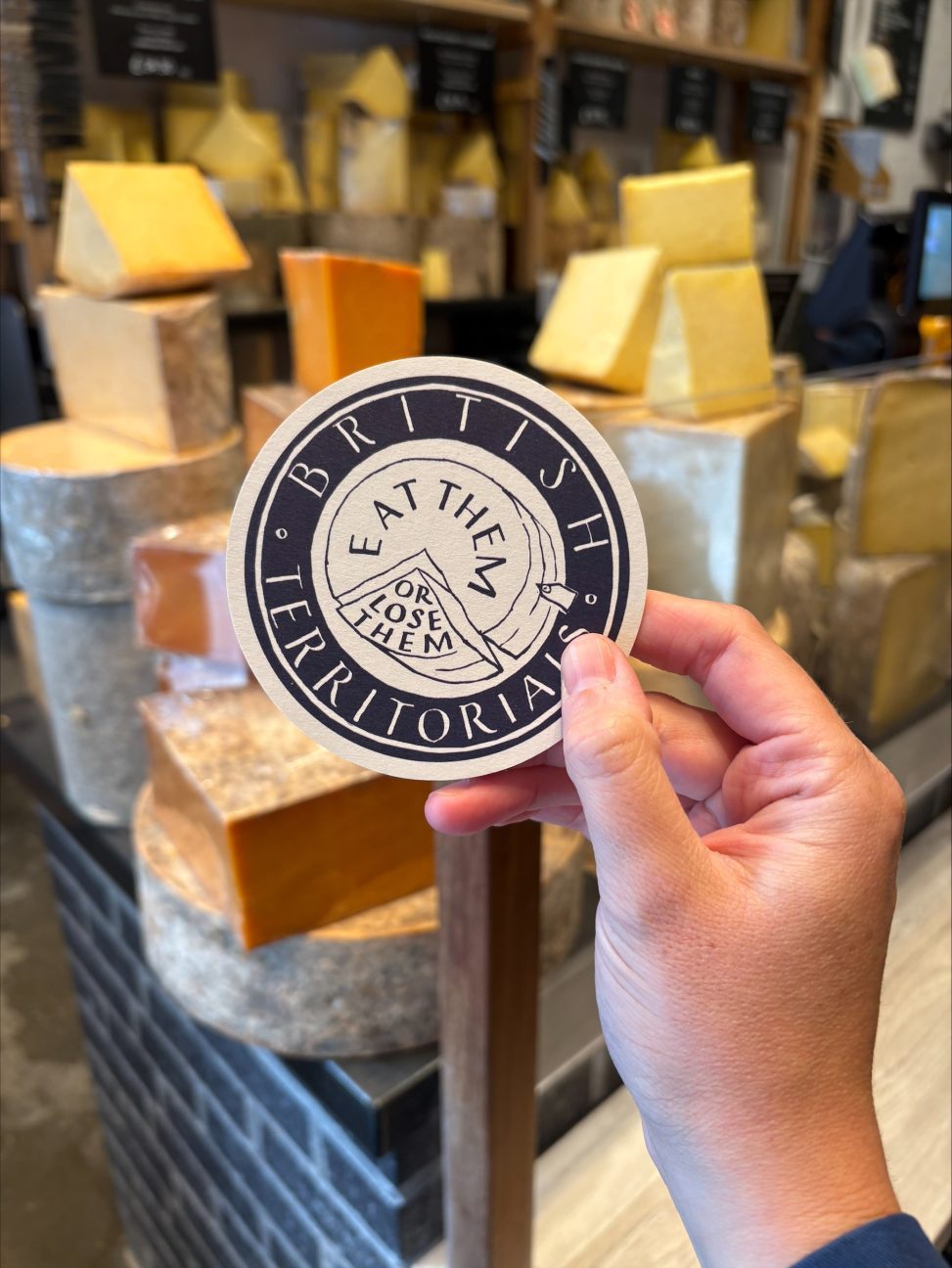
Percival said the meeting had inspired ideas that could evolve into a wider initiative. Meanwhile, Neal’s Yard has launched a campaign, under the strapline ‘Eat Them or Lose Them’, featuring large displays of the territorials in its shops. It has also collaborated with the Kernel brewery to develop a beer – Running Porter – that pairs well with the style to be served in pubs with wedges of cheese.
Perry Wakeman, director at Cambridgeshire-based Rennet & Rind, who attended the meeting, said sales of territorials were flat. “They’re not collapsing, but they’re not in motion either, especially compared to the dynamism around washed rinds, bloomies, and alpine styles.”
Rennet & Rind recently ran a survey with online customers asking what came to mind first for cheeses like Red Leicester, Cheshire or Wensleydale. The top response was “supermarket” and 65% said they couldn’t remember the last time they were offered one on a counter.
“We’re now treating territorials like new products, almost like re-launches,” said Wakeman. “The strategy is simple: they need to be the first cheese tasted when a customer walks through the door.” He added the name ‘territorials’ should be dropped. “It’s dusty, unhelpful, and doesn’t mean anything to customers. We need a new frame, something with emotional resonance. Maybe ‘traditionals’ or ‘heritage’, something that communicates the depth, craft and story behind these cheeses, without the baggage of the supermarket aisle.”
This article first appeared in the August issue of Fine Food Digest.