Independent retail organisations have urged the Chancellor to support the sector in next month’s Budget – with crippling business rates among the primary concerns.
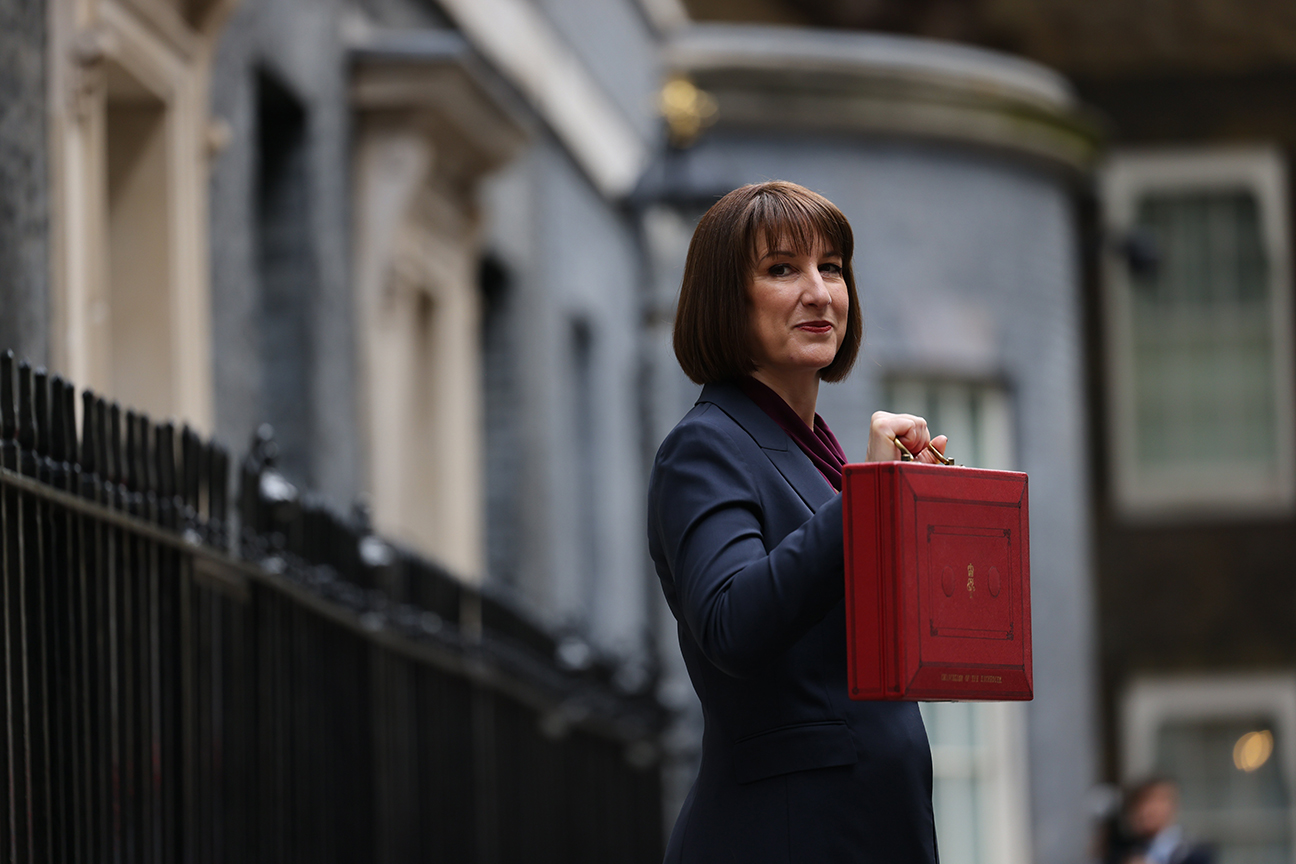
Rachel Reeves is due to set out the Government’s tax and spending plans in the House of Commons on 26th November.
The political set-piece comes towards the end of a testing year for small food shops, who have seen employment costs rise along with supplier prices while consumer spending remains constrained.
Meanwhile the retail, hospitality & leisure Business Rates Relief Scheme was slashed from 75% to 40% in April, meaning many companies saw their bill more than double. This subsidy is due to expire entirely next March, being replaced by new permanent rates for firms in the sector.
Andrew Goodacre, chief executive of the British Independent Retailers Association, called for a range of help for small shops.
“We would like to see the maximum reduction in the business rates multiplier for smaller businesses, which would provide immediate relief to our members who are facing increased costs,” he said.
He also urged the Chancellor to expand the Small Business Rate Relief Scheme to be more generous to those with second properties.
“We shouldn’t be penalising growth and entrepreneurship,” he added.
He demanded an expansion of help for small businesses with National Insurance payments, action against VAT fraud and investment in high streets.
James Lowman, until recently the chief executive of the Association of Convenience Stores, said 2025 had been “extremely tough for retailers”.
He called for a 20p cut on the ‘multiplier’ used to calculate rates for small retail businesses.
“The other urgent area of concern is employment,” he said.
The Gov’t has set out plans to implement its Make Work Pay agenda, which includes giving employees greater rights on their first day in a role, ending fire-and-rehire practices and banning zero-hours contracts.
“We want to see reforms implemented in a way that supports investment and the ability for businesses to continue providing secure, local, flexible jobs,” said Lowman.
John Farrand, managing director of the Guild of Fine Food, said there was “no doubt that our town centres and our rural retailers are, in some quarters, struggling”.
“The Budget needs to promote investment, lead to a healthier jobs market and encourage small businesses, not strangle them.
“I’m just not sure if this Government has the interests of small business at its heart,” he said.
“It may regard the food and drink sector even less, given that our most relevant minister and secretary of state were fired or reshuffled to more ‘important’ departments.”
This article first appeared in the October-November issue of Fine Food Digest.