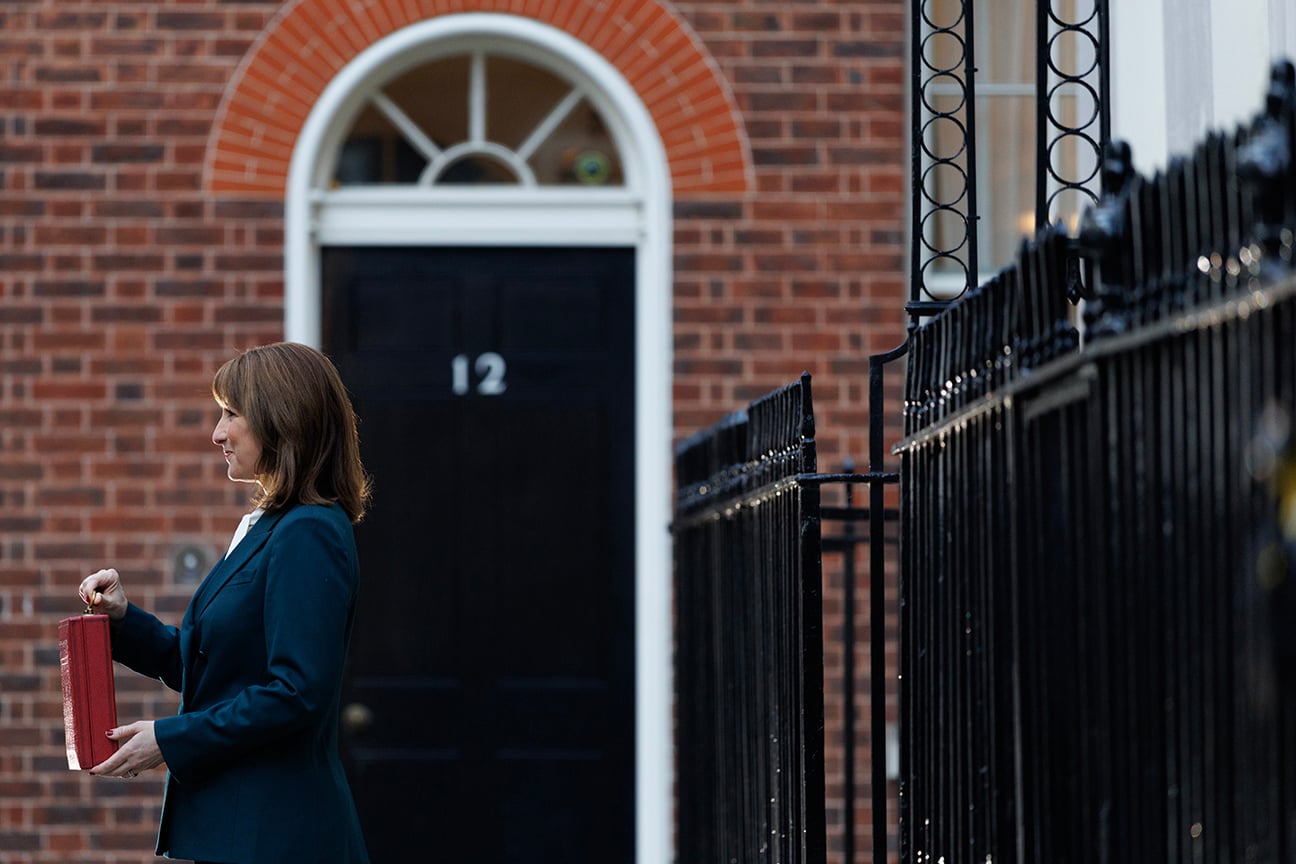
Independent retailers and sector representatives have responded with frustration and disappointment to the Chancellor’s Autumn Budget, which she delivered unusually close to the festive period on 26th November. Alongside income tax threshold freezes and tax changes for businesses and on pensions, the Government confirmed a 4.1% rise in the National Minimum Wage and adjustments to business rates.
For Tom Newey, CEO of Cobbs Farm Shop, the measures failed to signal the kind of growth-focused strategy he had hoped for. He told FFD he had found the Budget “entirely underwhelming”, adding: “I’m really struggling to square all the pro-growth chats with either of the last budgets, quite frankly.”
Newey warned that the package could “pile more costs onto business”, particularly given how persistent food inflation has been in recent years, and said: “When you’re in the quality food arena, those sorts of things are even more noticeable. It makes a hard job even harder.”
He also raised concerns about changes to corporation tax and business rates, including a higher multiplier for properties over £500,000 in rateable value. The measure is intended to help fund a permanent discount for smaller retailers after the withdrawal of the remaining Covid-era business rates relief. However, sector bodies have warned the shift will not offset the rise in bills for small shops in April, meaning many will still pay more overall.
Newey added that the lengthy lead-up to the Budget had already dampened Christmas purchasing. “Anyone who thinks delaying it was helpful is wrong. People making purchasing decisions were not doing anything while they waited for the speculation to abate.”
At Laura’s Larder in Orpington, owner Laura Roberts said customers had been “standing back, waiting to hear what happens” in the run-up to the announcement.
She did, however, welcome the rise in minimum wage. “You never want to mind about that, really,” she said, explaining that higher pay can attract flexible and motivated young staff.
Roberts also backed the introduction of free apprenticeship training for under 25s. Having hired someone on an apprenticeship who went on to work with her for several years after completing it, she said: “It was one of the best things I ever did.”
“Giving someone a chance like that is so valuable, especially if they haven’t had the opportunity to make choices or the confidence to retrain. Opening that opportunity is great, and I definitely encourage shops to look into it if they haven’t already.”
Elsewhere, industry figures felt the budget was, if nothing else, muted. Perry Wakeman, owner of Rennet and Rind, said: “Like most independents, we’ll get on with it. We always do. But I can’t help noticing the mood of this Budget feels more like housekeeping than vision.” While welcoming business rates relief for small shops, he said the sector has “no shortage of energy or ideas”, but that it is being stifled.
“We are ready to build. We just need the space to do it,” he added.
John Farrand, managing director of the Guild of Fine Food, said wage and employer tax pressures remain the “biggest gripe” for small food & drink businesses. While he noted that “Fewer customers seem to be spending more, so revenues remain okay, but staff costs just keep going up, and that’s without recruiting additional workers to encourage growth.” He said that there may be “a small crumb of comfort” in a recent BRC report that claimed business rates changes could cause up to 400 big supermarket closures, and added: “That can only be good news for the high street.”
This article first appeared in the December 2025 issue of Fine Food Digest.