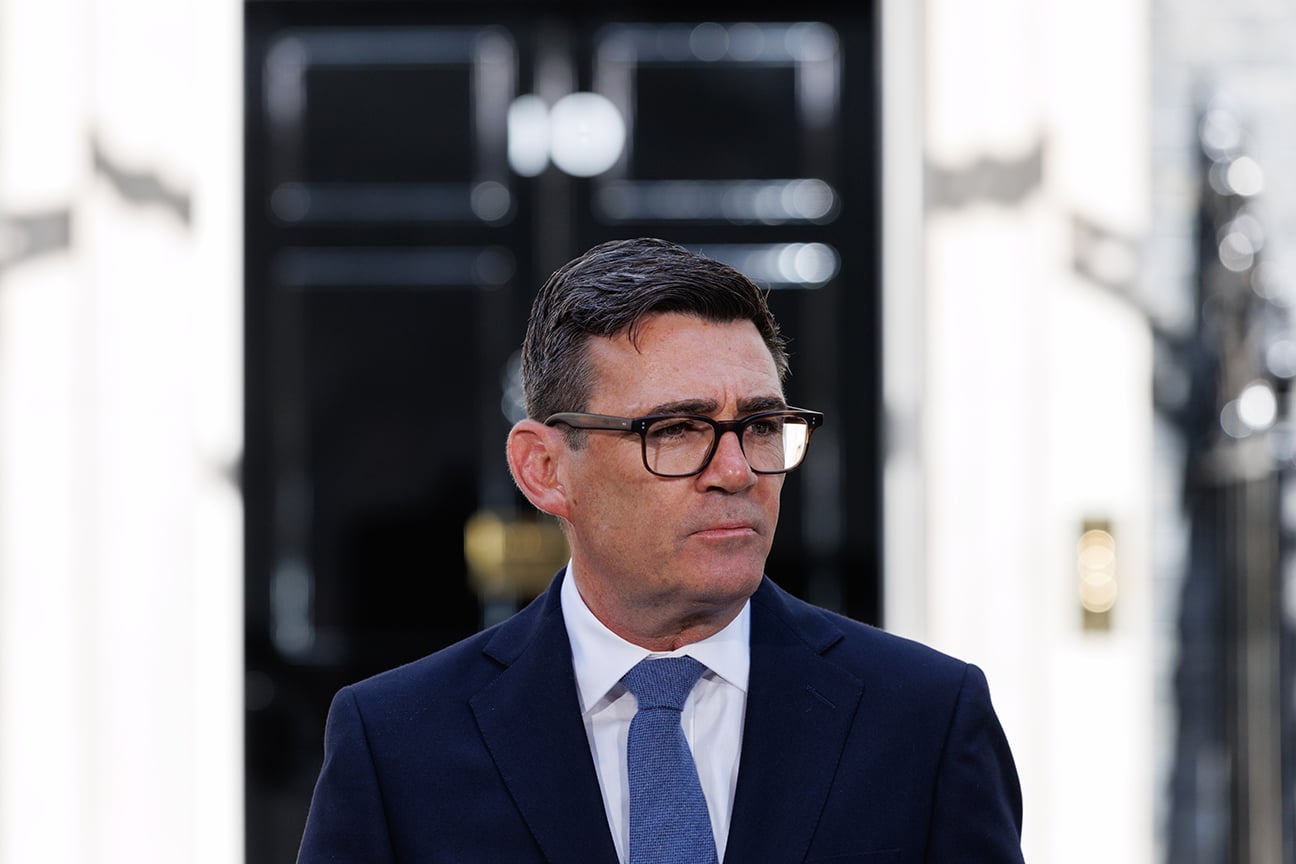
Independent food retailers were watching with a mix of interest and scepticism in early July as Andy Burnham unveiled his vision for the country.
The former health secretary and mayor of Greater Manchester spoke in the weeks before becoming Prime Minister about his support for local growth, high streets, social businesses, farmers and food producers.
Burnham replaced Keir Starmer at Number 10 on 20th July, and is set to spend up to three years in Government before the next general election.
Will Simkin, director at Essington Farm Shop in the West Midlands, said it was “too early to say” what the new PM would do for the fine food sector.
“No one really knows what he stands for and what his policies will be,” he added. “Either way, if he is going to stick to Starmer’s [2024 election] manifesto, he is going to face the same problems and be bound by the same rules. I’m not overly optimistic.”
Sangita Tryner, owner of Delilah Fine Food in Nottingham, struck a similar note.
“Politics are so farcical at the moment, and I don’t know what to believe,” she said. “Burnham recognises the need to help high streets, but how high up the priority list is that?
“He needs to put his money where his mouth is. The only businesses that will keep cities alive are places like ours.”
Tryner said Delilah’s business rates soared when a long-standing relief scheme for retailers came to an end earlier this year.
“They have gone back to where they were in 2019, but the trade isn’t there like it was seven years ago,” she added.
However, she sounded a note of optimism following a recent trip to Burnham’s most recent seat of power.
“Manchester has been transformed,” said Tryner. “There is life everywhere, live music going on by the canal, it is magical and we need that in other city centres. If he can do that, then hats off to him.”
Andrew Goodacre, chief executive at the British Independent Retailers Association, said firms had heard promises on business rates reform before.
“The reality for our members has been a 15% increase in their bills this year,” he added. “Independent high street retailers deserve better than that.”
James Walton, chief economist at retail consultancy IGD, said it was significant that food and farming were namechecked in a recent Burnham speech about protecting domestic supplies.
“This suggests future policy could place greater emphasis on domestic resilience, production capability and the strategic importance of the food system,” Walton said.
“The emphasis on local growth and regional decision-making could also create new opportunities for businesses to engage with regional authorities and local growth initiatives.”
This article first appeared in the August issue of Fine Food Digest.